Common Pergola Problems and How to Avoid Them
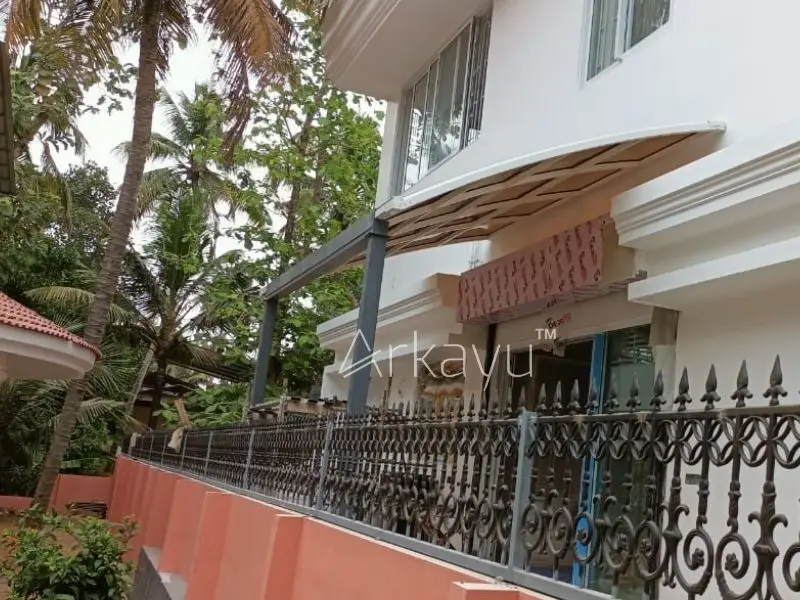
A pergola can completely transform a terrace, balcony, garden, or outdoor seating area. The key to long-term satisfaction is not just choosing a beautiful design, but selecting the right pergola for the space and using it as intended.
Modern pergolas have evolved far beyond decorative garden structures. Today, homeowners, architects, restaurants, and resorts increasingly prefer polycarbonate pergolas with aluminium profiles because they offer natural daylight, rain protection, low maintenance, and long-term outdoor durability.
Most pergola-related problems are not caused by the material itself. They usually arise from choosing the wrong type of pergola, planning the space incorrectly, or expecting the structure to perform beyond its intended use.
How to Maintain a Polycarbonate Pergola: Cleaning, Care & Long-Term Durability
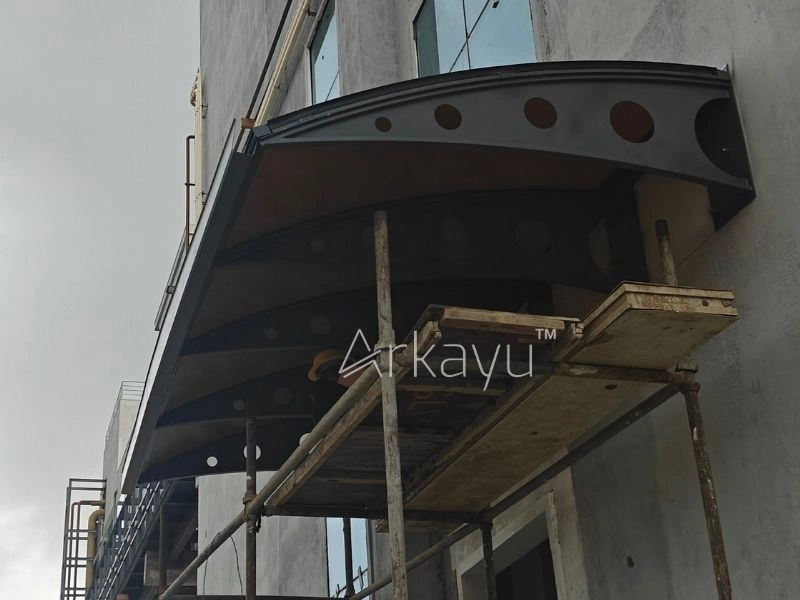
A well-designed polycarbonate pergola is built to withstand outdoor conditions for years. With simple maintenance and regular care, it continues to enhance your outdoor living space while maintaining its premium appearance.
A polycarbonate pergola is one of the most practical ways to create a comfortable outdoor space while enjoying natural daylight and protection from the elements. Whether installed in a residence, restaurant, resort, terrace, or garden, it offers an elegant extension of usable living space.
One of the biggest advantages of a modern aluminium pergola is its low maintenance requirements. With a few simple care practices, your pergola can continue to perform beautifully and retain its aesthetic appeal for many years.
Aluminium Pergola vs Steel Pergola: Durability, Cost & Design Comparison
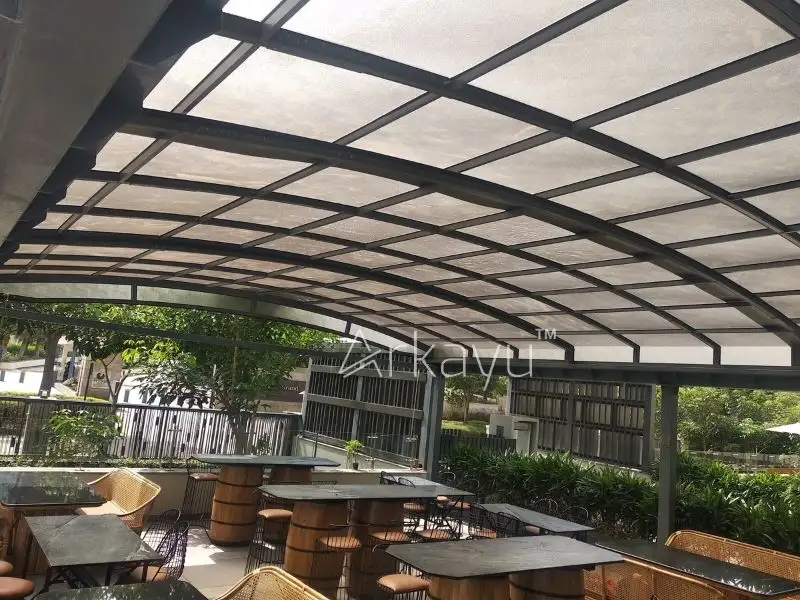
Modern pergolas are expected to deliver more than visual appeal. The choice of structural material plays a significant role in determining durability, maintenance requirements, aesthetics, and long term performance.
Pergolas have become a popular addition to terraces, balconies, gardens, and commercial outdoor spaces. While both aluminium and steel are widely used for pergola construction, each material offers different advantages depending on the project requirements.
Understanding these differences helps homeowners, architects, and builders make informed decisions that balance aesthetics, functionality, and long term value.
Why Polycarbonate Pergolas Are Better Than Traditional Pergolas for Indian Homes
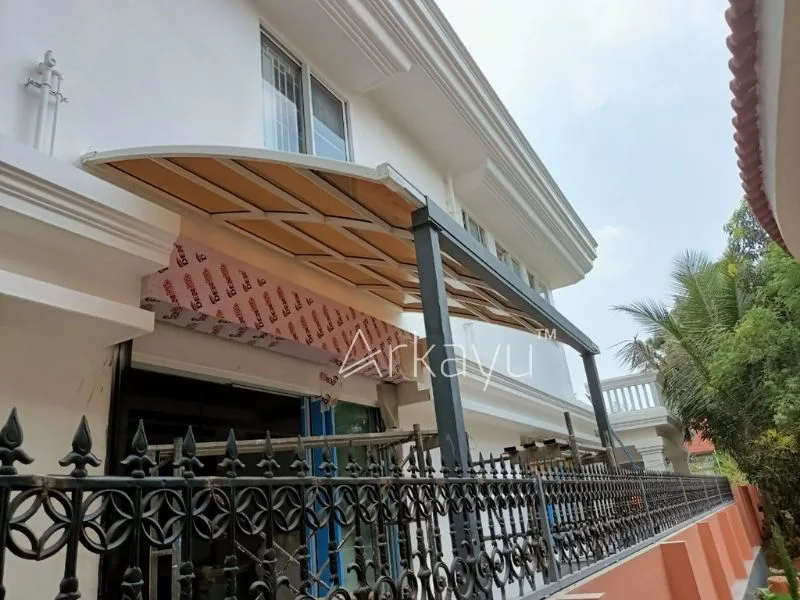
Modern outdoor spaces require more than decorative structures. Polycarbonate pergolas combine protection, functionality, and aesthetics…making them better suited for Indian homes and climate conditions.
Pergolas have become an important element in modern outdoor architecture. From terraces and balconies to gardens and rooftop spaces, they help define outdoor living areas while enhancing visual appeal.
However, not all pergolas offer the same level of functionality. In Indian conditions, where weather protection and usability are equally important, modern polycarbonate pergolas provide significant advantages over traditional open pergola structures.
What Is a Pergola? Types, Materials & Modern Applications Explained
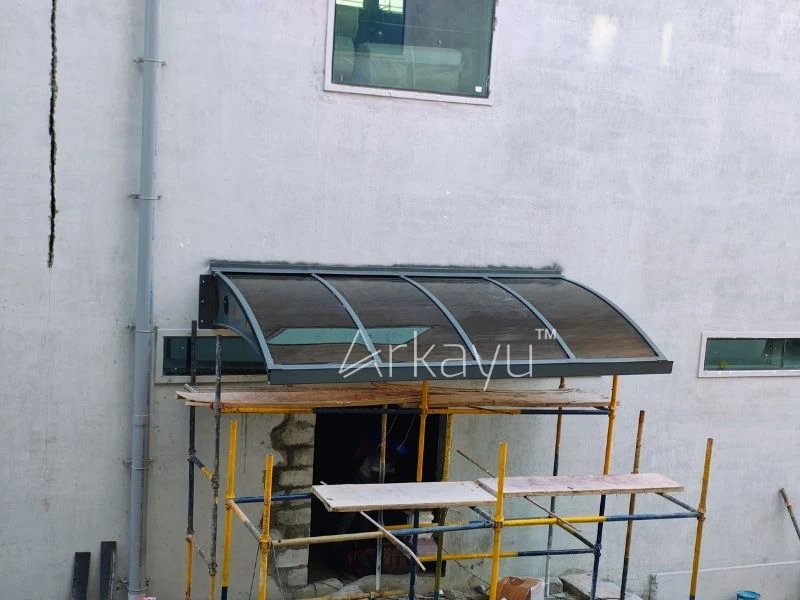
Modern pergolas have evolved from decorative outdoor elements into functional architectural structures that enhance usability, comfort, and aesthetics across residential and commercial spaces.
Outdoor living spaces are becoming an essential part of modern architecture. Terraces, balconies, and gardens are no longer viewed as secondary areas… they are being designed as usable extensions of the home or commercial environment.
Pergolas play a key role in this transformation by providing structure, protection, and visual appeal while maintaining openness and natural light.