TABLE OF CONTENTS
Understanding Structural Design of Domes
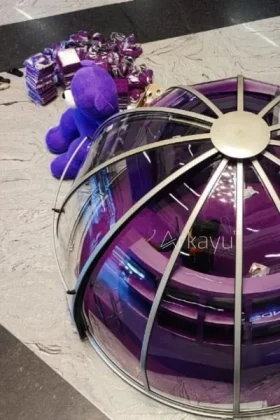
A polycarbonate dome derives much of its strength from its geometry rather than relying only on material thickness or heavy structural members.
Unlike flat roofs that concentrate load at specific points, a dome distributes stress more evenly across the entire structure. This allows the system to maintain stability while remaining lightweight. The curved form naturally improves structural efficiency and reduces stress concentration.
This principle is widely used in geodomes, geodesic dome tents, and other dome shaped roof systems where structural performance and visual appeal are equally important.
How Dome Geometry Naturally Improves Structural Strength
The geometry of a dome helps distribute loads uniformly across the structure instead of concentrating force at isolated points.
This even stress distribution improves structural stability and allows the dome to handle environmental forces more efficiently. Compared to flat or angular structures, dome forms are inherently more resistant to deformation under load.
This is one of the reasons why geodesic dome tents and geo dome tents are widely used in outdoor applications where lightweight yet durable structures are required.
Load Considerations in Dome Structures
Like any outdoor structure, polycarbonate domes are designed considering multiple load conditions.
1. Dead Load
The self weight of the aluminium framework and polycarbonate panels forms the dead load. Since polycarbonate is lightweight compared to conventional materials, the overall structural load remains relatively low.

2. Wind Load
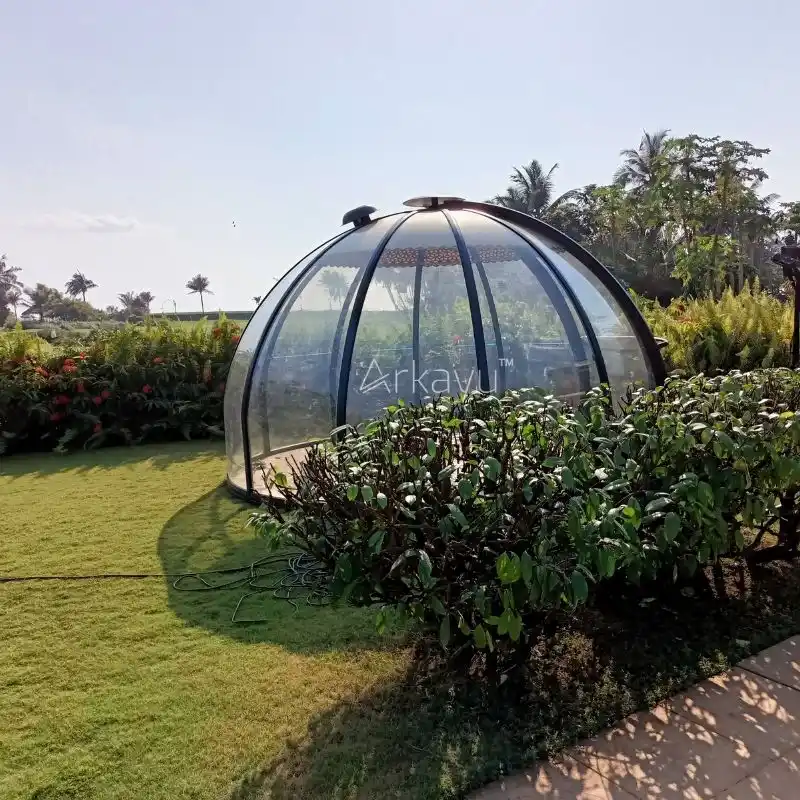
Wind is one of the most important considerations in dome design. The curved geometry helps reduce direct wind pressure by allowing airflow to move smoothly around the structure rather than resisting it abruptly.
3. Rain Load
Domes are naturally suited for rainwater management due to their curved profile, which prevents water stagnation and supports efficient runoff.
4. Live Load
Occasional maintenance access and operational loads are also considered during structural planning to ensure safe long term usage.
Span & Structural Geometry
Polycarbonate domes are available in multiple sizes and configurations depending on application requirements.
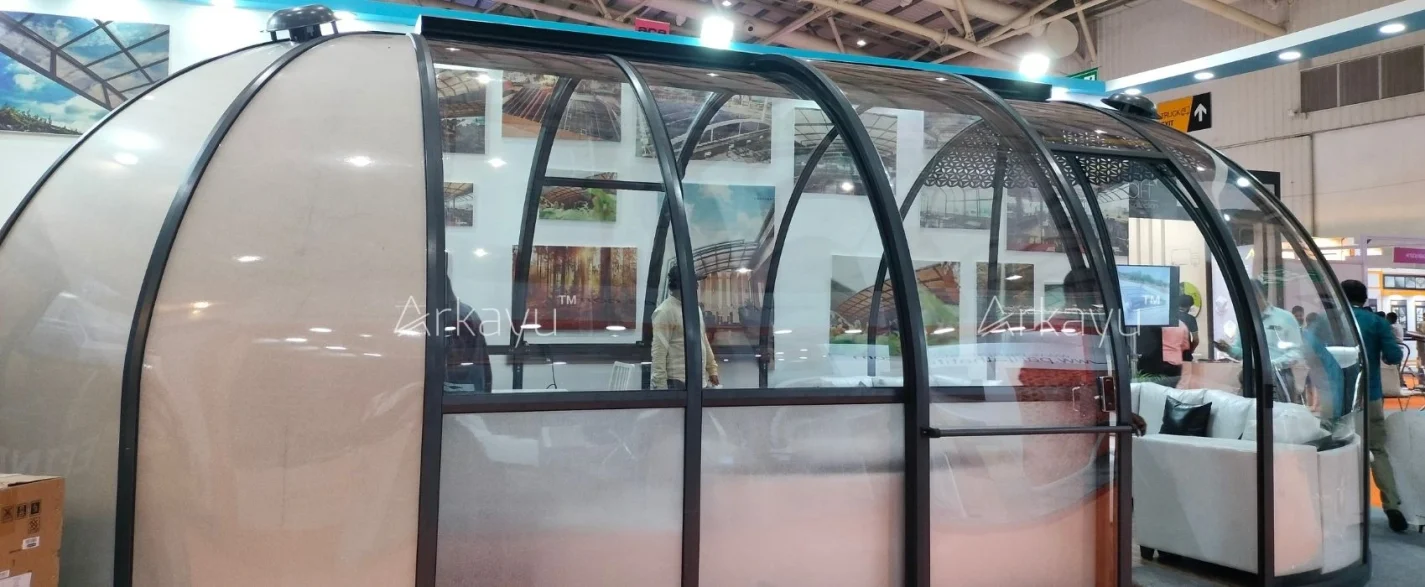
Typical dome diameters range from 3 metres to 12 metres, with customisation possible based on project conditions. Beyond standard hemispherical forms, domes can also be designed as:
- Oval or capsule shaped structures
- Interconnected parallel domes with passage connections
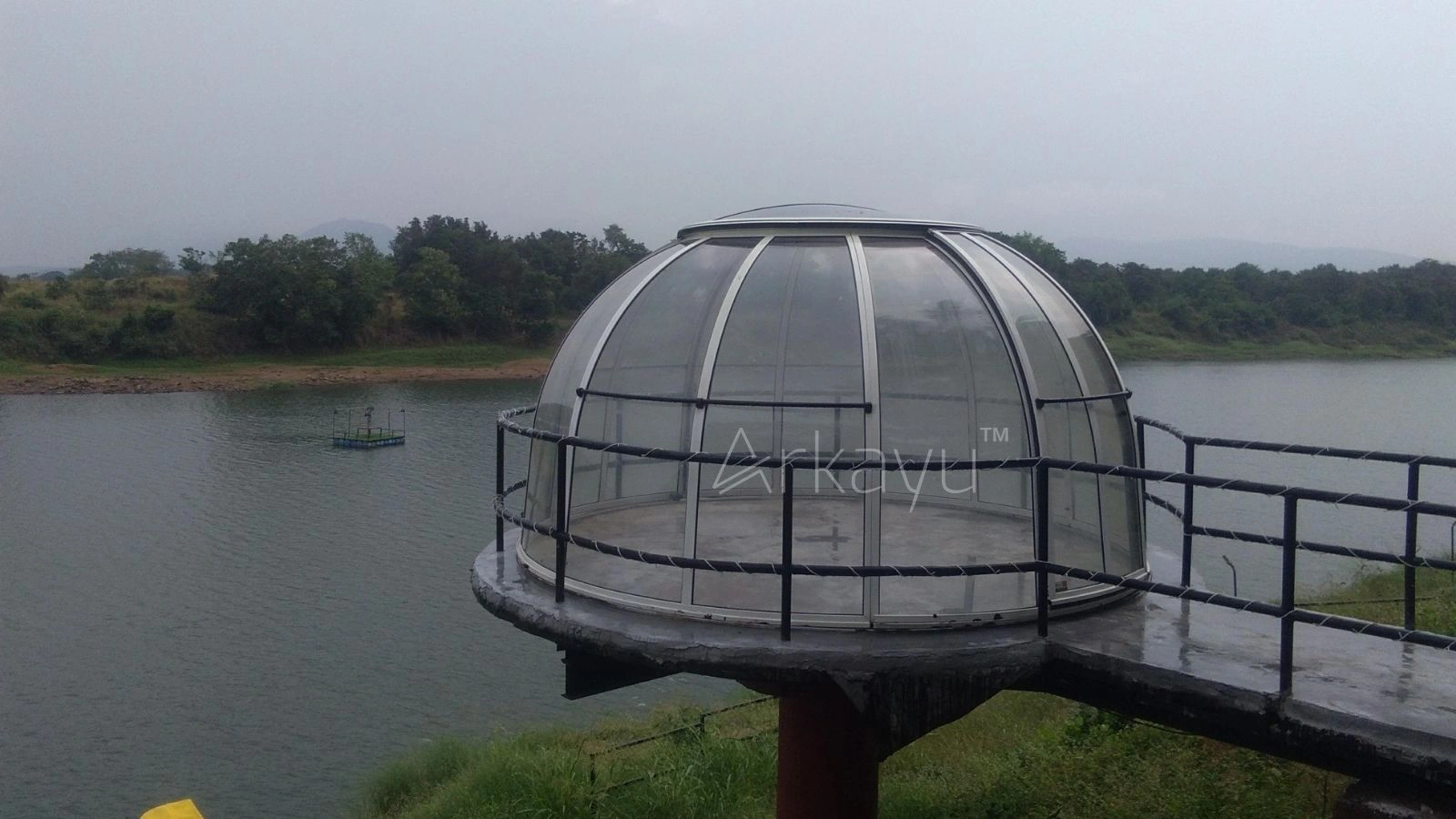
The geometry of the dome directly influences structural behaviour. Larger spans require careful engineering to maintain stability while preserving the lightweight nature of the system.
Applications such as glamping domes, garden domes, and dome tents often use customised geometries to balance aesthetics, functionality, and structural performance.
Safety & Performance Factors
The structural performance of a dome depends not only on geometry but also on the materials and installation system used.
Most polycarbonate domes use aluminium frameworks due to their strength to weight ratio and corrosion resistance. Polycarbonate panels are fixed using EPDM gasket systems, ensuring proper sealing and a clean finish.
Polycarbonate offers:
- High impact resistance
- Lightweight construction
- Flexibility for curved applications
- UV protected surfaces
These characteristics make it more suitable than conventional dome glass for curved outdoor structures.
Domes are designed to withstand outdoor weather conditions including wind and rain. However, one important limitation to consider is heat buildup due to the greenhouse effect. This makes domes more suitable for:
- Evening and night time usage
- Cooler climates
- Partially shaded environments
Contact us for a free consultation.
At ARKAYU, we design polycarbonate dome structures that combine structural efficiency with architectural aesthetics, ensuring reliable performance across a wide range of outdoor applications.